
Anxiety
When you can't just "will" it away
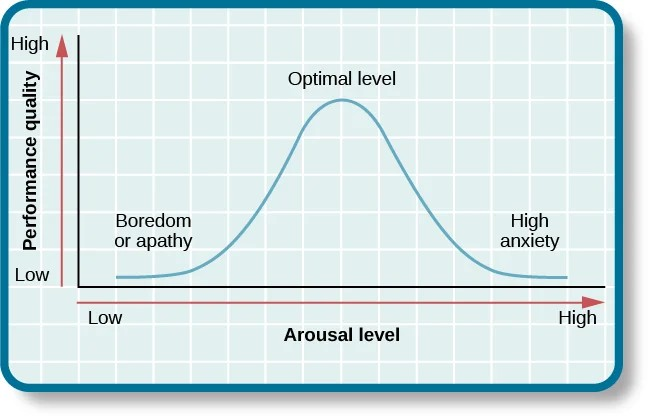
Everyone experiences anxiety sometimes–before big events or facing major life challenges. Anxiety can be helpful. A little anxiety can improve performance and keep you prepared. he Yerkes-Dodson law is a psychological principle stating that performance improves with mental arousal–like excitement or alertness–upt to an optimal point.
Anxiety disorders are different. They involve persistent, excessive worry out of proportion to the situation. The anxiety persists after the stressful event ends. It interferes with work, relationships, and daily activities. You know that the worry is excessive, but are unable to control it.
Generalized anxiety disorder
a medical diagnosis, involves persistent symptoms (most days over a six month period of times) including:
Why it matters
Anxiety involves real, measurable changes in brain chemistry and nervous system function. Anxiety disorders involve imbalances in neurotransmitters-brain messengers. When these neurotransmitters are out of balance, the brain perceives danger even when you are safe. The threat-detection system is in overdrive, and the physical symptoms–racing heart, sweating, muscle tension–are real…your body is genuinely responding to perceived danger.
| Normal Worry | Anxiety |
| Temporary and related to specific stressor | Persistent and often without a clear cause |
| Doesn’t interfere with daily life | Significantly impairs work, relationships and activities |
| Can usually be managed | Overwhelmed and uncontrollable |
| Goes away when the situation resolves | Continues even when there is no environmental trigger |
| Occasional or temporary physical symptoms | Frequent physical symptoms |
| You can “talk yourself down” | Reassurance is transiently helpful, if at all |
If the anxiety symptoms look familiar to you, please give us a shout. Lets walk this together, supporting empowerment to reduce anxiety symptoms.